‘We cannot, you said to me, lapse into the sentimentality that the most predictable side of our age has in store for us …’
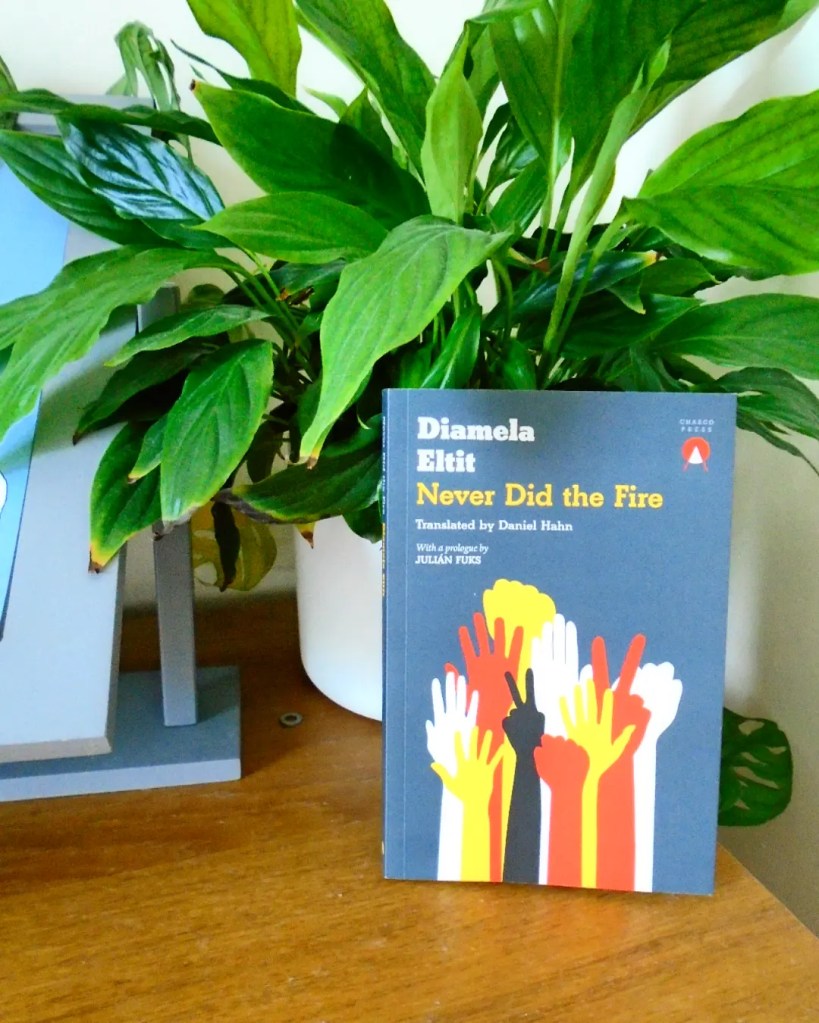
This was a worthwhile, but incredibly challenging read. Centred around two unnamed characters, both plagued by frailty, guilt and grief, the novel examines disillusionment in the aftermath of political fervour. The couple grapple with their past, adrift without the familiar guidepost of revolutionary action and each resentful of the other; they appear no longer joined by love, but rather by a warped form of loyalty, irrevocably tethered by shared history. Much of the novel takes place in their bed, which serves alternately as a battleground accentuating the gulf that has grown between them, and a cramped, suffocating refuge from the world outside.
Betrayed by their aging bodies, they mourn the loss of their child, cause and ideologies, clutching at increasingly tenuous identities. The dual political and biological meaning of the word ‘cells’ is conflated throughout, suggesting these ideologies form the very essence of who they are – or were. A prevalent sense of unravelling is intensified by the stream of conciousness narration; the woman’s thought process is jumbled, as nebulous memories surface and she questions the reliability of her recollection. Similarly, the story’s chronology is a complex jigsaw of timelines, moving almost indistinguishably between past and present and, towards the end, even offering alternative realities. I’m still unsure as to how all the pieces fit together. One interpretation could be that Eltit has left this deliberately unresolved, thus mirroring events in Chile’s recent history and the absence of justice for innumerable crimes perpetrated by Pinochet’s regime or closure for the families of victims.
Never Did the Fire is bleak, ambiguous and infuriating. A haunting narrative that I cannot claim to understand in its entirety, but nevertheless one that will stay with me.
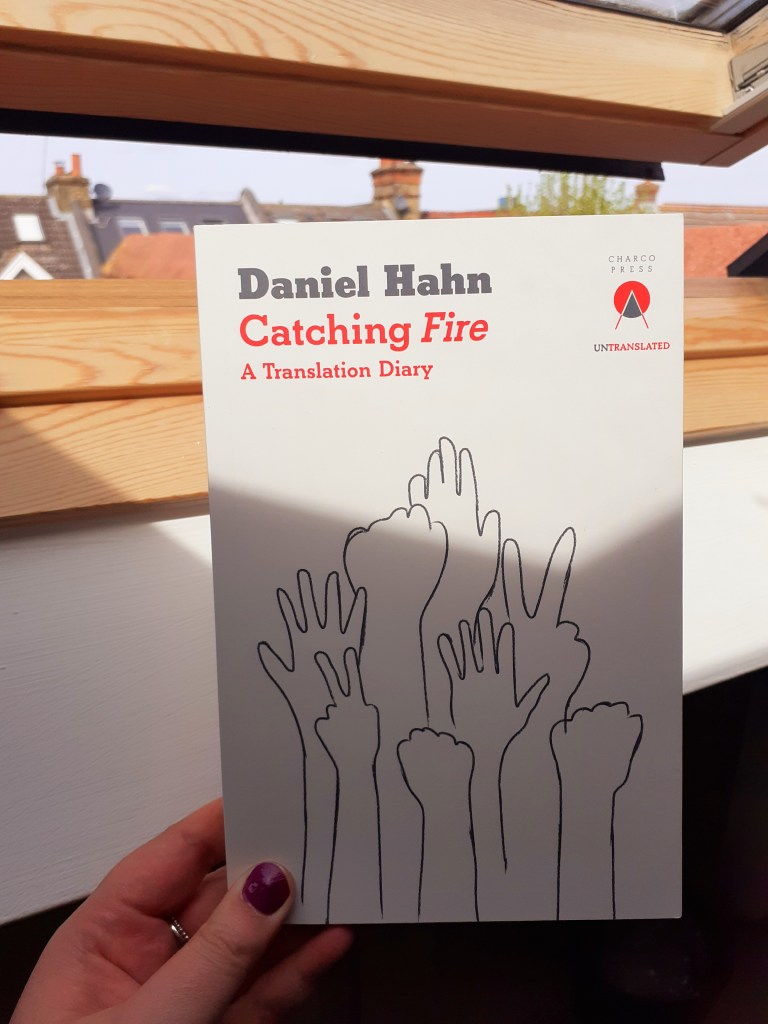
I would highly recommend reading this book in conjunction with Daniel Hahn’s translation diary, Catching Fire. Whether or not you have a specific interest in translation or Spanish-language literature, the diary is an accessible read that provides fascinating insight into the novel. He addresses both challenges particular to Spanish, such as syntax, gendered words and homonyms, and also universal translation issues. It must have been a mammoth task to translate a text this enigmatic, but Hahn’s witty, self-deprecating style is an effective contrast to the intensity of Eltit’s narrative.
Catching Fire began as an online translation diary (extracts of which are still available on the Charco Press website) but has now been published as the first in Charco’s new series – Untranslated – in which English-speaking authors will share their experiences and appreciation of Latin American culture. Keep an eye out for the next title, Homesick by Jennifer Croft, publishing in May!
Reviewed for The Indie Insider – https://tinyletter.com/theindieinsider/letters/issue-20-renewal-and-regrowth 💜
 Bookishly Abroad