We’ve reached the end of Book Week!📚 If you follow me on Instagram, you’ll know I’ve been posting a favourite character each day. Here’s a quick round-up of the ones I chose (minor spoilers ahead!):
1 – Matilda
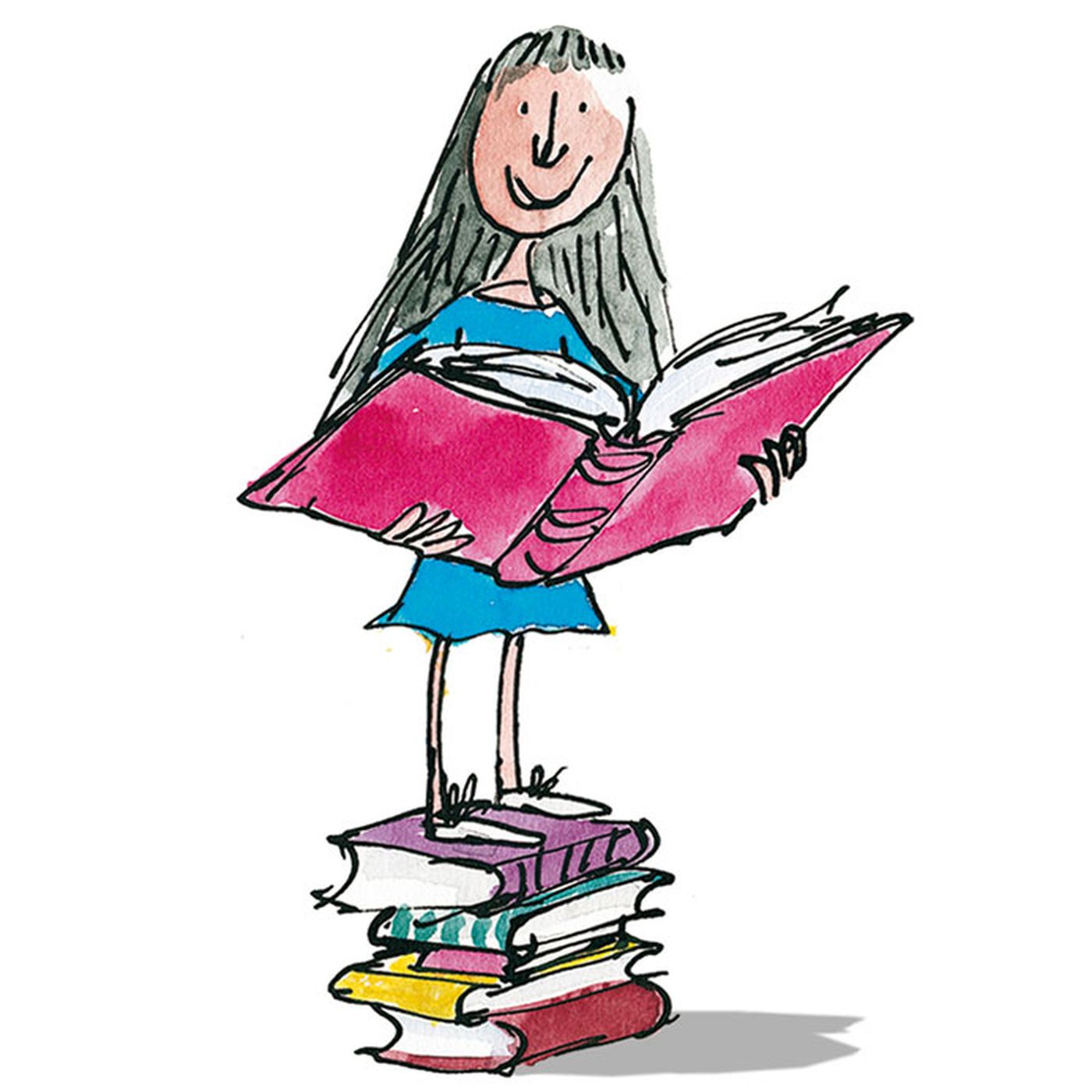
We’re starting, of course, with Matilda – my childhood bookish heroine. I love pretty much every book making up the marvellously magical world of Roald Dahl but Matilda has always held a special place in my heart ❤
“So Matilda’s strong young mind continued to grow, nurtured by the voices of all those authors who had sent their books out into the world like ships on the sea. These books gave Matilda a hopeful and comforting message: You are not alone.”
“All the reading she had done had given her a view of life that they had never seen.”
2 – Dustfinger

Next up is Dustfinger from the Inkheart trilogy. As I’m sure I’ve mentioned (probably more than once ….) Inkheart has been a firm favourite for many years. Cornelia Funke writes intricate, immersive, brilliantly-executed fantasy and 11 year old me spent many an afternoon lost in the Inkworld ✨
I’ve always warmed (no pun intended …) to Dustfinger, the Fire-Dancer pulled from the novel’s pages into Mo and Meggie’s world. The character is complex and not always entirely likeable; cynical and often downright sulky, but then prone to acts of kindness and bravery that redeem these foibles. His relationship with Gwin and later with Farid show these conflicting aspects of his nature.
“The truths not pretty of course. No one likes to look it in the face”
3 – Rebecca
“You see,” she said, snapping the top, and walking down the stairs, “you are so very different from Rebecca” …
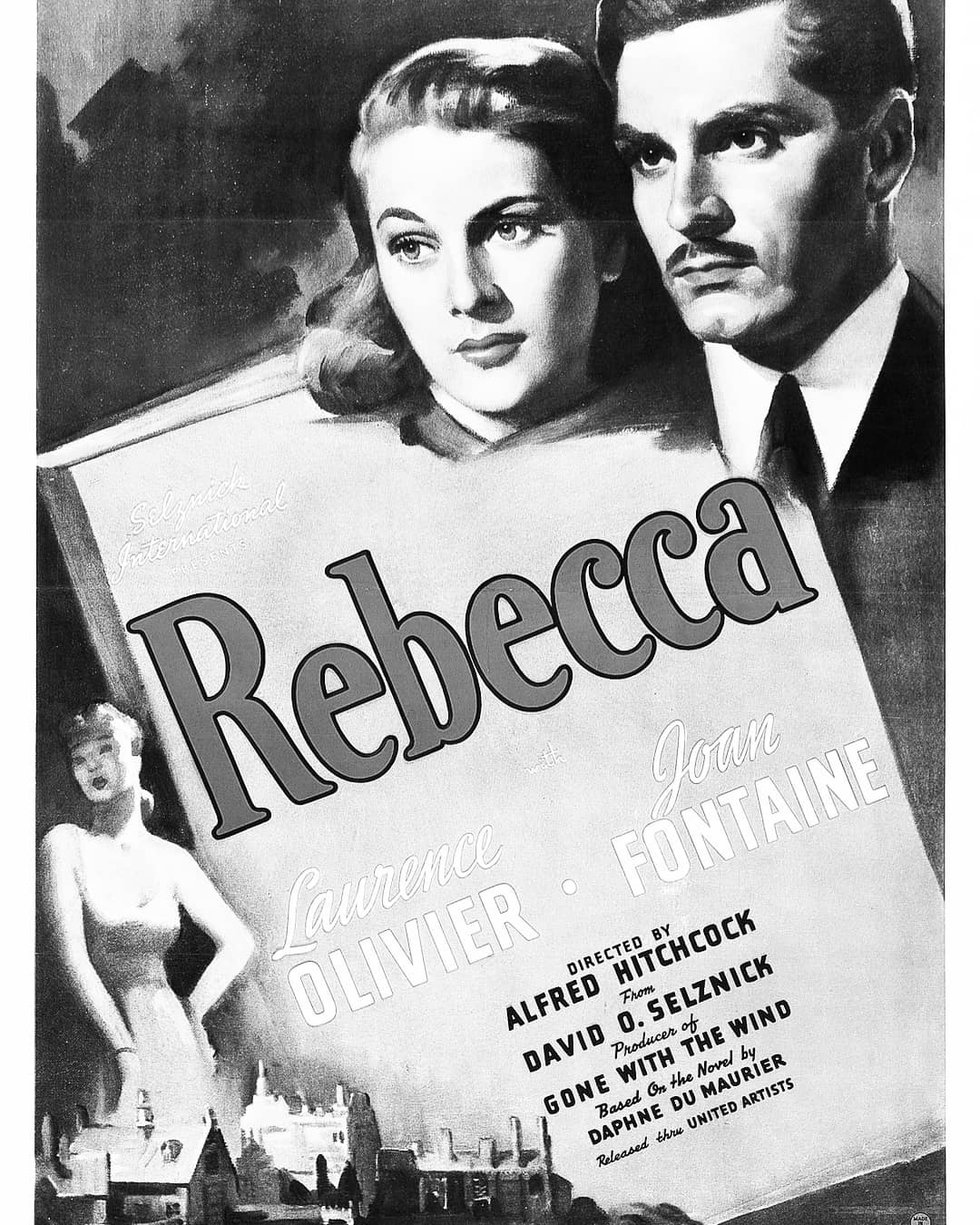
The eponymous protagonist of Daphne du Maurier’s novel, who dominates the entire narrative without ever making a physical appearance. Some character indeed!
I first read ‘Rebecca’ at uni and it cemented my love for Gothic fiction (contemporary especially – though published a few years too early for official entry into the category, I’d place it there for its themes and subversion of the classic genre).
The writing is dazzling evocative; I could feel her spectral presence as the hairs on the back of my neck stood up. What’s more, the twist really got me!
She is the villain of the piece, undeniably so in the various film portrayals, yet on some levels I admire her. Though often cruel in its methods, her enterprising nature is also a determination to survive, coupled with bold refusal to conform to expected gender norms of the period.
Side note – I cannot even hear the name Laurence Olivier anymore without remembering Miriam Margolyes choice words on the Graham Norton Show in her story about meeting him 😂😅
4 – The Quagmire Twins/Triplets
So technically not just one character for today (possibly 3, depending on which book you’re reading) but what can I say, I’m a maverick … 😂 another of my favourite childhood series, as again I’m sure I’ve mentioned! Starting to sound like a stuck record …
‘The Ersatz Elevator’ was my most-read individual book but I always enjoyed ‘The Austere Academy’ and ‘The Vile Village’ for Violet, Klaus and Sunny’s relationship with the Quagmire siblings.
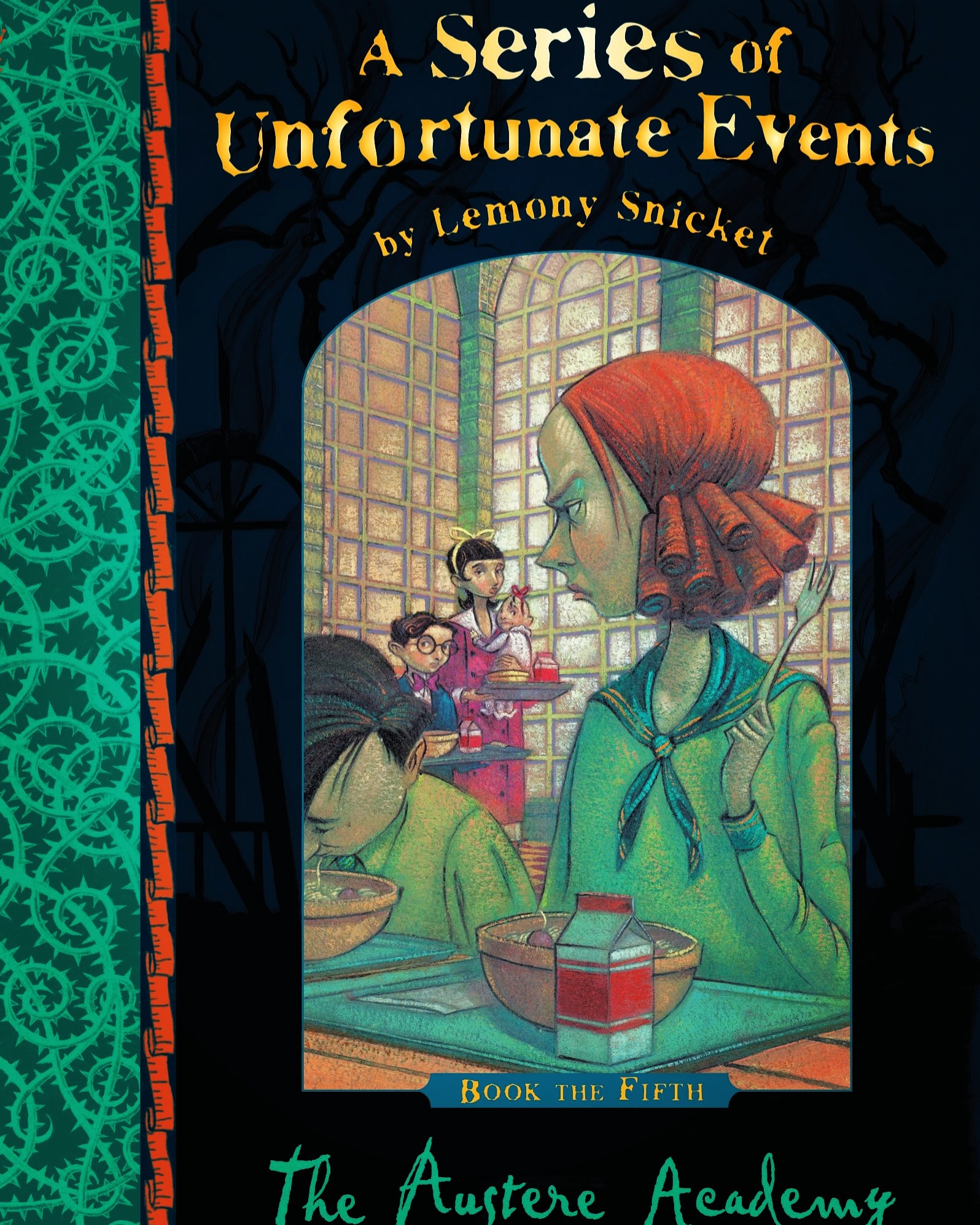
Like the Baudelaires, Duncan and Isadora have idiosyncratic skills that proves critical in their struggle against Count Olaf. Part of the reason I like Lemony Snicket/Daniel Handler’s books is the presentation of children as entirely capable. The Quagmires and Baudelaires are bright, well-read and nerdy in the sense of being very passionate about a specific interest … and this is shown to be an admirable quality, contrasting with a large portion of children’s fiction. But more than this, they are resilient, overcoming their many, many misfortunes (well, there are 13 books …) with bold ingenuity
There is a hopeful undertone running through ‘A Series of Unfortunate Events’; this being said, it is, on the whole, darker than most children’s literature but all the more interesting for it!
The vocabulary is also incredible – I learnt half of my current lexicon from these books!
5 – Elinor ‘Lakey’ Eastlake
First published in 1963, Mary McCarthy’s ‘The Group’ caused quite the stir, primarily for the novel’s frank discussion of sex and contraception. This, to many critics, was the most obviously scandalous aspect but McCarthy also debates and ultimately condemns socially-imposed gender roles. An agenda for which the approach is subtler but arguably even more subversive, in the historical context.
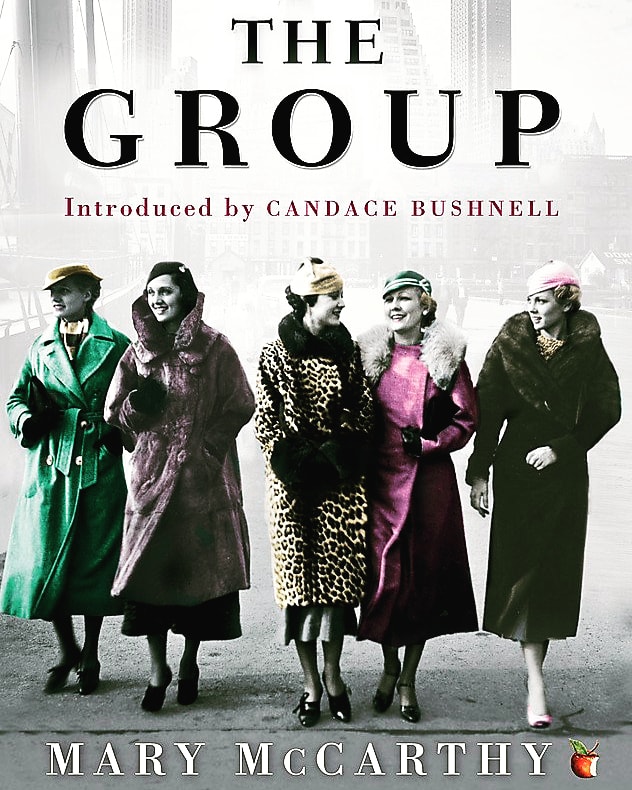
There are eight female protagonists and the book is meant to have inspired ‘Sex and the City’. Yet I feel that, unlike its successor, the reader is not supposed to identify with one character in particular; you are not a ‘Dottie’ or a ‘Priss’ in the same way Bushnell’s readers categorise themselves into ‘Carries’ or ‘Mirandas’. Rather, I get the impression McCarthy intends us to find commonality in an element of each girl.
However, (just because I’m contrary …) I liked Elinor best. Though I had a soft spot for both Kay and Pokey too, Lakey’s traits and storyline are the most interesting – for what is implied as much as what is directly stated. She proves herself to be the least conventional and despite her haughty mannerisms, one of the kindest ‘Group’ members.
“Elinor was always firmly convinced of other people’s hypocrisy since she could not believe that they noticed less than she did.”
6 – Neville Longbottom
No explanation needed for this one! And despite his much-discussed “glow-up”, famous to the extent that ‘Longbottoming’ is now in the urban dictionary, I will always prefer first book Neville and remember this scene from the film.
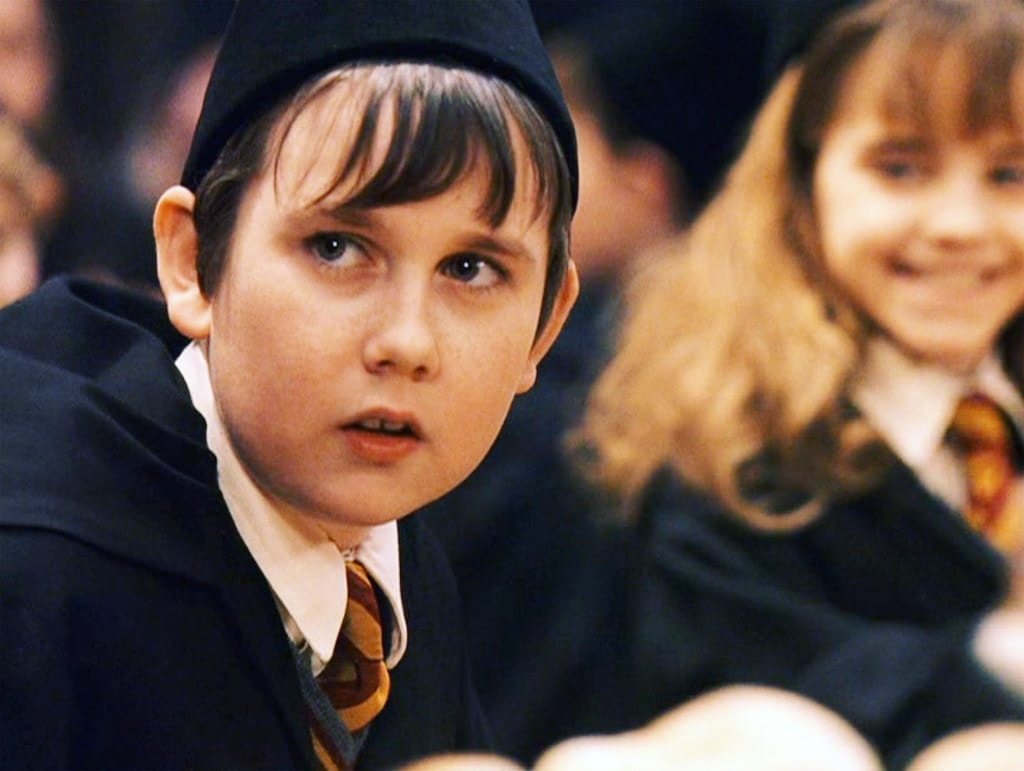
‘There are all kinds of courage’, said Dumbledore, smiling. ‘It takes a great deal of bravery to stand up to our enemies, but just as much to stand up to our friends. I therefore award ten points to Mr Neville Longbottom.’
7 – Teresa Robles/Marjorie Quick
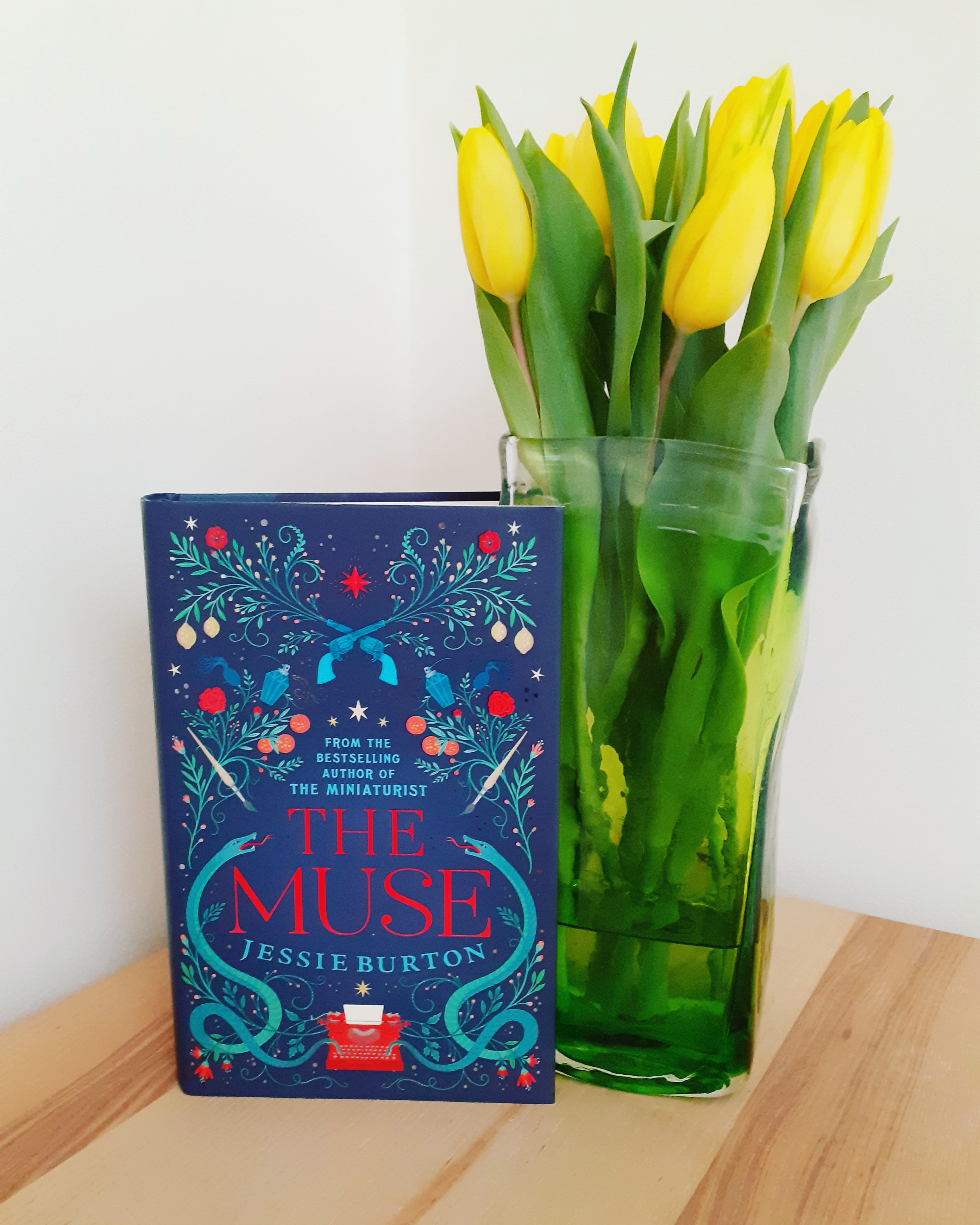
Jessie Burton is a favourite author of mine – I loved ‘The Miniaturist’ and ‘The Muse’ is just as beautiful, rich in description, mystery and emotion. An overwhelming majority of reviewers prefer her first novel, but for me there was just something about this one that draws me in. I will admit slight bias towards anything set in Spain/including Spanish but as a large portion of ‘The Muse’ takes place in 1960s London, this can’t be a principal factor!
The plot is intricately layered, switching between the time periods seamlessly. The characters are well-developed and vividly depicted. Teresa becomes increasingly interesting as the Spanish timeline progresses – she is sharp, feisty and fiercely loyal. I had an idea of her connection to Marjorie within the first few chapters but my certainty was undermined by later events; I was kept guessing until the end! As ‘The Miniaturist’ also proves, Burton knows how to unfurl mystery in a narrative. I was particularly struck by how well the two characters were designed, to seem so different and yet so similar once you know ‘the secret’.
‘Not all of us receive the ends that we deserve. Many moments that change a life’s course – a conversation with a stranger on a ship, for example – are pure luck. And yet no one writes you a letter, or chooses you as their confessor, without good reason. This is what she taught me: you have to be ready in order to be lucky. You have to put your pieces into play.’
 Bookishly Abroad