“We hung weightless in the salt as everything drifted from us and was lost. All that remained was the water, the moon and the murmuring forms that shared the sea.”
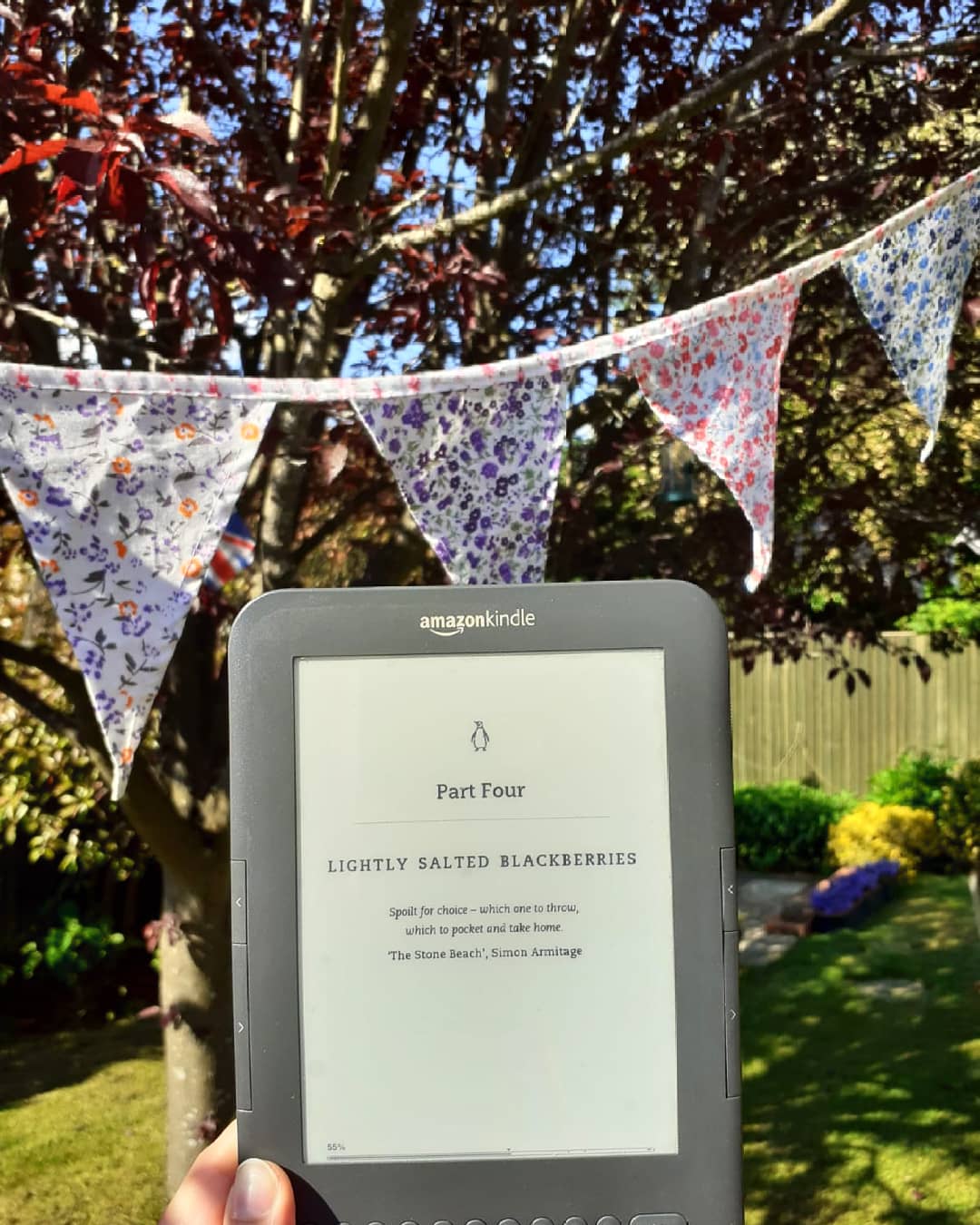
I don’t often read memoirs or autobiographies – clearly I’ve been missing out!
The Salt Path is Raynor Winn’s beautiful patchwork retelling of walking the South West Coast Path with her husband Moth. Their decision to “just walk” came in the wake of losing their family home and Moth’s CBD diagnosis, a “one-way ticket” degenerative brain disorder. Winn charts the peaks and troughs, both geographical and metaphorical, of the walk, her narrative overwhelmingly human throughout. She doesn’t shy away from darker moments of inner contemplation, turbulent emotions, questioning and the ever-present temptation to give up. Yet her wry, subtle humour also pervades the memoir:
“I woke to the sound of torrential rain. Water thundering on the taut flysheet …. But the source of the rain was trotting away east with a smug look on his wiry muzzle; the dog on the end of the lead seemed equally satisfied”.
As does her curiosity about everything they encounter – the book is peppered with details about the history of the path, from origins of rhododendrons to geology to the tale (and tail …) of the Mermaid of Zennor.
Raynor Winn’s true authorial talent, however, lies in her vivid descriptions of landscapes. Natural surroundings are detailed with such skill and attention that the reader is completely immersed; you can practically taste the sea air and feel the freedom of walking along the windswept clifftops. Cornwall is one of my favourite places, though to some extent appreciated even more through the lense of Winn’s description. Yet what I didn’t expect was to feel a similar nostalgia for the lost farm in Wales, a place I’ve never seen, but described by the author with such love and longing that it creates such an effect. It takes a certain type of writer to make their reader feel the loss of a home they never had so keenly.
“It’s wild here, a corner where tides, winds and tectonic plates collide in a roar of elemental confusion. A place of endings, beginnings, shipwrecks and rockslides. The viewpoint by the railings caught the air and rushed it up in a jet of cold, oxygenated, sea-spray fizz. I flew with the power of the uplift; alive, we were alive.”
The marvelling appreciation of nature contributes to a sense of the mystical that runs through the book. There is something sublime and borderline otherworldly in these descriptions of life as “edgelanders”. They meet various “sages and prophets” along the way, each with a prediction for their journey and there are several coincidences that might be regarded as ‘fate’. One such stranger pronounces them “salted” by the path, changed irrevocably by their journey:
“It’s touched you, it’s written all over you: you’ve felt the hand of nature. It won’t ever leave you now; you’re salted”.
The Salt Path is both a testament to resilience and an appreciation of nature but at the core, it is a love letter from Raynor Winn to her husband and the life they’ve lived together.
 Bookishly Abroad